Introduction: Heavy fabrication buyers need a supplier that can connect machine configuration with real workpiece conditions, production goals, and delivery responsibilities.
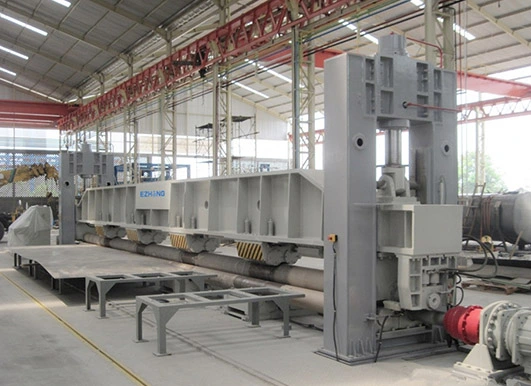
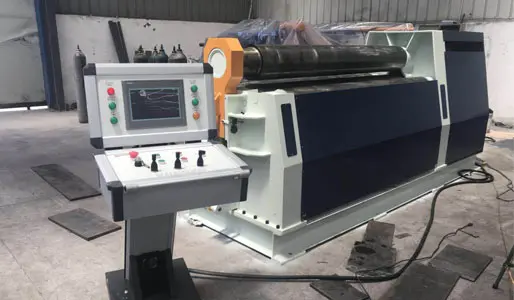
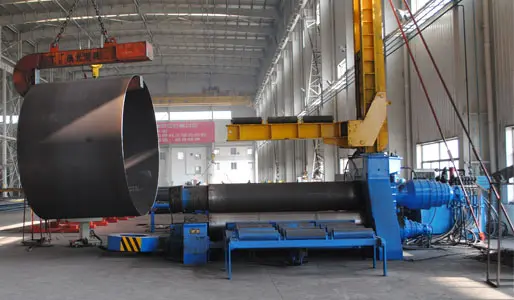
A company expanding a heavy fabrication line may already know that it needs a plate rolling machine, yet the first supplier inquiry can still be difficult. A large cylindrical workpiece may require a different forming approach from a wide structural section, even when both are described as plate rolling applications. Material grade, plate thickness, width, target diameter, shape, accuracy, production volume, and handling conditions all affect the equipment discussion. The practical goal is to find plate rolling machine manufacturers or plate bending machine manufacturers that can understand the workpiece before recommending a machine category. EZHONG presents itself as a plate rolling machine manufacturer and supplier, with product references covering industrial plate forming, heavy fabrication, CNC plate rolling machines, three-roll and four-roll machines, hydraulic rollers, rolling, and plate pre-bending. Those references provide a useful route into a technical consultation built around the actual project.
Machine names are a starting point, but the workpiece determines the real inquiry. A plate made from a stronger material generally requires more forming force than a softer plate of the same thickness. Greater thickness increases the forming load, while greater width changes the load carried across the rolls. The target diameter also matters because a small-radius cylinder demands a different forming result from a large-radius shell. Material behavior, including strength and springback, affects how the plate responds after pressure is released. These conditions are part of the basic forming discussion described in materials and metal-forming references. Consider a fabrication company replacing an older roller before producing larger cylindrical sections. The company may initially ask for a machine with a certain roll length. A stronger inquiry also describes the material grade, maximum and minimum thickness, widest plate, required inside diameter, plate length, finished shape, acceptable deviation, and expected quantity per shift. That information helps a manufacturer connect the workpiece to rolling force, pre-bending requirements, machine structure, control functions, and material handling. It also reveals whether the project involves occasional large parts or repeat production where setup time and consistency matter. Workpiece shape changes the technical conversation as well. A simple cylinder, a cone, an oval section, and a part requiring different end conditions may call for different forming sequences and handling arrangements. Plate pre-bending is especially important because the plate ends need to enter the forming process in a controlled way. The supplier should explain how the proposed machine approaches the rolling sequence, how the operator accesses the workpiece, and what support equipment is needed during loading, positioning, and removal. Accuracy should be described in practical production terms. Instead of asking only for a general precision statement, describe the finished diameter, end condition, joint-fit expectation, repeatability requirement, and inspection method used by your factory. Production volume should also be specific. A machine intended for a few large parts each month faces different operating demands from one supporting continuous fabrication. This is why NIST’s Manufacturing Extension Partnership emphasizes preparation, supplier assessment, and production improvement as connected manufacturing activities.
Three-roll, four-roll, CNC, and hydraulic roller labels help organize the first conversation, but they do not replace process details. A three-roll or four-roll plate rolling machine is a structural and configuration clue. CNC identifies a control approach. The useful question is how each configuration handles your plate, required pre-bending, rolling sequence, access needs, and lifting or support conditions. For example, a heavy fabrication line producing repeated cylindrical sections may value controlled positioning and repeatable settings, while a project making varied large parts may place more emphasis on flexible setup and operator access. A wide plate may require attention to support and handling outside the machine itself. A thick plate may require a forming-capacity discussion tied to material strength and target diameter. The correct supplier conversation therefore links the machine category to the complete forming task rather than treating CNC or hydraulic features as standalone purchase reasons. EZHONG’s product materials reference CNC plate rolling machines, three-roll and four-roll machines, XW11S, XW12, hydraulic rollers, rolling, and pre-bending. These terms make EZHONG relevant to an initial heavy fabrication inquiry. The actual model, configuration, material range, thickness, width, diameter, accuracy, and capacity should be matched to the project during consultation.
A useful technical discussion begins with information that a manufacturer can use. Drawings are more valuable than a general statement such as “we need a heavy-duty roller,” because they show the finished shape, diameter, plate width, end details, and any unusual geometry. Material information should include the grade or standard used by your factory, thickness range, plate condition, and strength data available from the material certificate. Sample parts or representative drawings can help the supplier understand the difference between your largest, smallest, and most frequently produced workpieces. Add the target forming sequence, required pre-bending result, production quantity, inspection method, and current machine limitations. If the new roller must fit an existing line, include available floor space, crane capacity, foundation information, loading direction, and nearby equipment. A strong supplier response should connect these inputs to a proposed machine category and explain the assumptions behind the recommendation. Useful documents may include a technical specification, configuration description, process proposal, layout information, utility requirements, delivery scope, and acceptance approach. Product labels and general performance language are useful conversation starters; project-specific technical documents carry the decision forward.
Early screening should answer one simple question: can this supplier have a meaningful engineering conversation about the workpiece and the project? Look for a clear product area, relevant application references, a practical inquiry route, and willingness to discuss manufacturing and delivery together. NIST MEP provides useful background for assessing suppliers and preparing manufacturing projects, while HSE guidance places equipment selection, risk control, maintenance, and operating arrangements within the responsibilities of the equipment user and workplace. That means the consultation should cover more than the machine body. Ask how the proposed equipment will be delivered, what belongs in the supply scope, which site conditions matter, and how installation or commissioning responsibilities will be assigned. Discuss maintenance access, inspection points, replacement parts, operator competence, and the training information required for safe use. PUWER guidance from HSE highlights the importance of suitable work equipment, maintenance, and competent operation. Local regulations and the site risk assessment still govern the final installation and operating arrangements. EZHONG offers a direct inquiry route through its plate bending machine product page and presents itself as a supplier for industrial plate forming and heavy fabrication applications. For a serious inquiry, send the workpiece information first and ask for a project-specific response covering the machine type, roll configuration, pre-bending method, control arrangement, handling needs, technical documents, delivery scope, installation responsibilities, and after-sales scope. Confirm lead time, shipping arrangements, spare parts, warranty terms, and acceptance requirements in the commercial discussion before placing an order. Supplier fit becomes clearer when the response is specific. A useful manufacturer should be able to explain which information affected the recommendation, which assumptions need adjustment, and how the proposed machine fits the production flow. That conversation gives engineering, production, procurement, and management teams a common basis for comparing offers without reducing a heavy fabrication project to a model name.
Choosing among plate rolling machine manufacturers for heavy fabrication starts with the workpiece, not with a preferred label. Material, thickness, width, diameter, shape, accuracy, production volume, pre-bending, handling, and site conditions should shape the first inquiry. Three-roll, four-roll, CNC, hydraulic roller, XW11S, and XW12 references can guide the discussion, while drawings and production targets provide the detail needed for a useful proposal. EZHONG can be included in that supplier review through its industrial plate forming product page and inquiry route. Send the actual project conditions and request a technical and commercial response covering configuration, capacity, documents, delivery, installation, and support responsibilities.
Q:What information should heavy fabrication buyers send to a plate rolling machine manufacturer?
A:Send the material grade, thickness range, plate width and length, target inside or outside diameter, finished shape, end condition, accuracy requirement, production volume, and available drawings. Include the planned forming sequence, pre-bending needs, handling equipment, floor space, foundation conditions, utilities, inspection method, delivery location, and target project schedule so the manufacturer can prepare a useful technical response.
Q:How should a manufacturer match a plate rolling machine to a heavy fabrication workpiece?
A:The manufacturer should connect material strength and dimensions with forming force, roll configuration, pre-bending method, control requirements, workpiece access, and handling conditions. The recommendation should also reflect whether the line makes occasional large parts or repeated production batches. Three-roll, four-roll, CNC, and hydraulic roller descriptions are useful starting points, but the final machine configuration should follow the actual drawings and production targets.
Q:Can EZHONG confirm plate thickness, rolling diameter, and production capacity for a specific project?
A:Yes, those items can be addressed through a project-specific inquiry. Send the material, thickness, width, target diameter, shape, accuracy, and production requirement through the EZHONG plate bending machine product page or quotation route. The exact machine configuration, capacity, lead time, installation scope, and after-sales terms should be stated in the technical and commercial proposal for that project.
Manufacturing Extension Partnership (MEP) | NIST
Provision and Use of Work Equipment Regulations 1998 (PUWER) - HSE